Requirements defined
Products, capacity, utilities and target market are reviewed first.
Enter your trade password to continue.
Reference Setups
Use these anonymized setup examples to understand equipment, space, workflow and upgrade triggers. They are planning references—not customer performance claims.
Products, capacity, utilities and target market are reviewed first.
Profiles, tooling, materials and equipment are planned together.
Operation, assembly and QC are supported with practical SOP training.
Troubleshooting, consumables and selected spare parts continue after launch.
Two Practical Equipment Stages
For a small builder or distributor serving everyday homes with one proven window or door system.
20–40 m², one small 220V compressor, practical hand tools and a one- or two-person assembly, measurement and installation team.
Profiles cut, drilled and routed to the approved Cut List, numbered and coordinated with hardware, gaskets, corner keys and screws.
For a partner with recurring orders who is ready to import raw profile lengths and shorten local lead times.
60–100 m², compressor, double-head saw and higher-efficiency corner equipment, with routing added as required.
Steady output around 300 m² per month and +¥50K–100K equipment are indicative One-Pager references—not automatic requirements or guarantees.
Trust Through Transparency
Each reference setup states its assumptions, includes only the equipment needed for that stage and identifies items that can be postponed. This makes it easier to compare capital, space, training and supply responsibilities.
Reference A starts with factory-prepared kits and local assembly. Reference B adds local cutting only after recurring demand supports the investment. Neither stage timing nor output is guaranteed.
Actual configuration depends on the selected product system, order volume, destination, workshop, power, compressed air, shipping, local sourcing, staff and approvals.
Before quotation, AluProfile Tech records the agreed system, Cut List or capacity target, included equipment, local responsibilities, training mode and repeat-supply plan.
What We Review
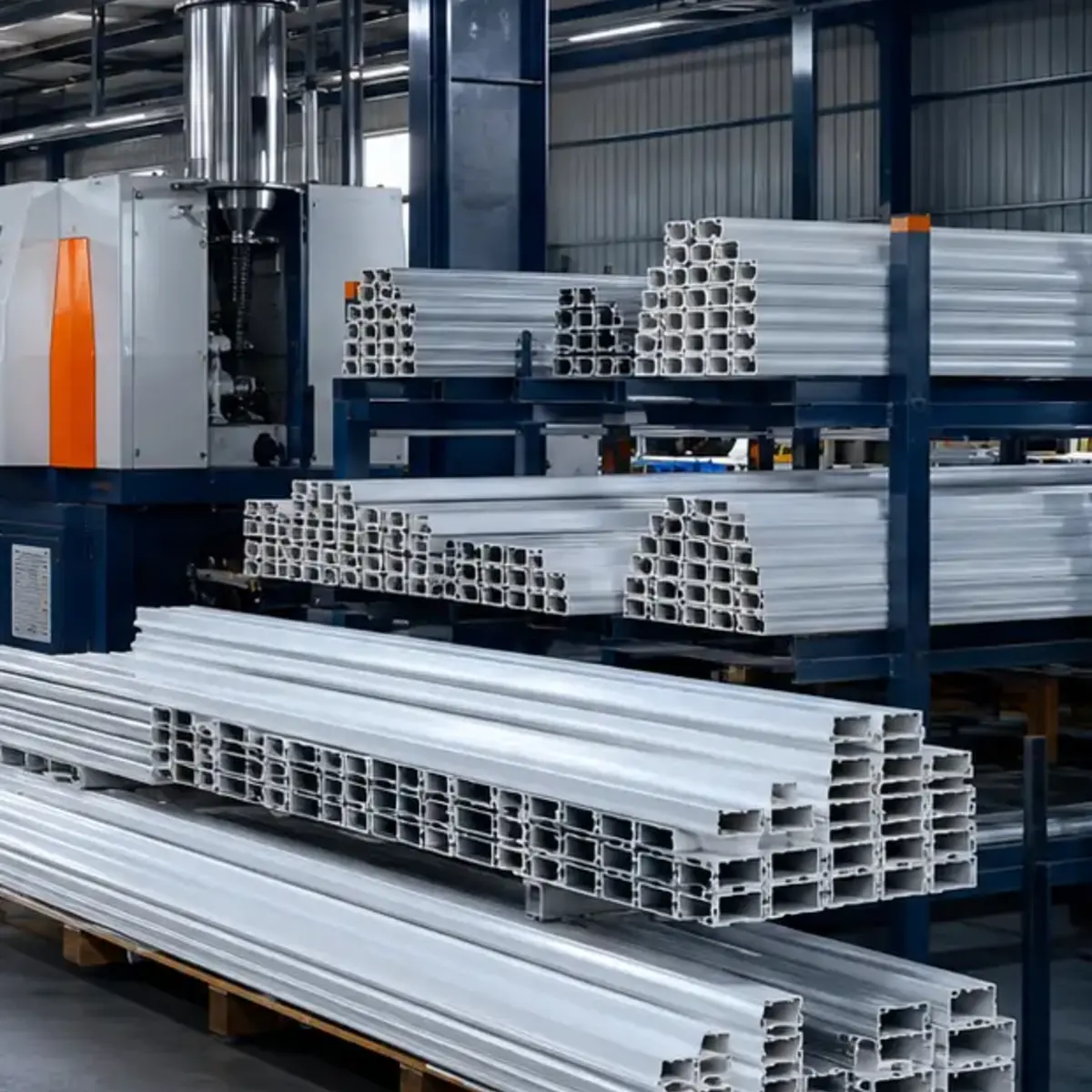
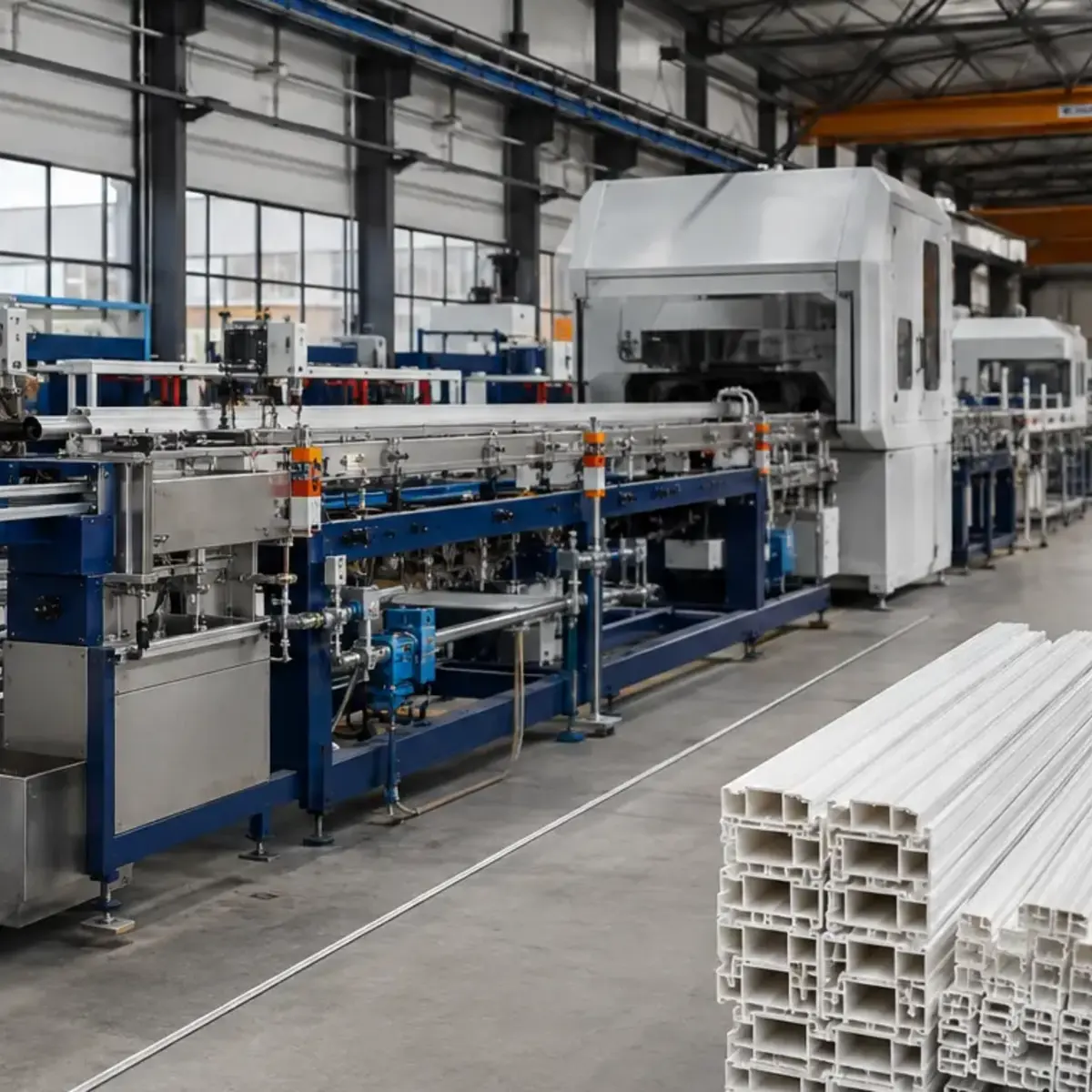
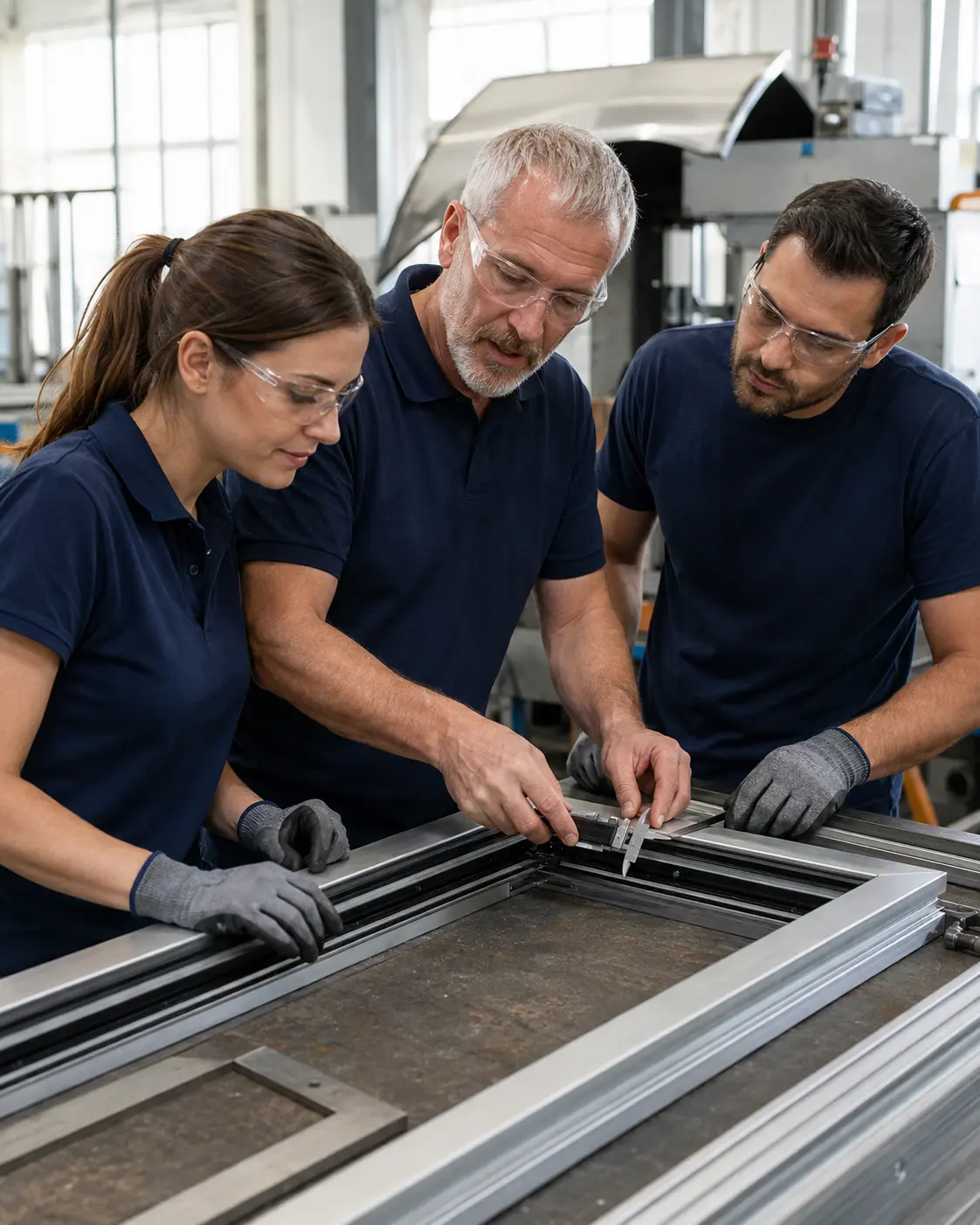
All images are hosted in the site media library and are representative planning visuals; final scope is documented for the actual project.
How to Choose
Define whether you are serving everyday families, rentals, village homes, small builders or established production buyers.
Estimate first orders, monthly volume, local selling price and available working capital before choosing a stage.
Check space, utilities, staff, installation capability and materials that can be sourced locally.
Receive a written scope for pure assembly, a local-cutting upgrade or an optional advanced factory project.
Reference-Setup Evidence
Target products, market, output, workshop and utilities are listed instead of implied.
Profiles, equipment, tooling, hardware, training and supply responsibilities are separated clearly.
Specification guidance is distinguished from in-house material mixing or unsupported performance claims.
Budget and timing references are labeled and confirmed again for the actual destination and order.
Reference Setup Questions
No. They are anonymized planning configurations created to show requirements and tradeoffs without inventing customer results.
They help buyers compare paths early. All figures remain indicative until product, quantity, destination and responsibilities are confirmed.
Yes. Stage 2 can add a double-head saw, more efficient crimping and routing equipment while profiles continue to be supplied from China.
Full extrusion remains an optional advanced path for established manufacturers. It is not required for the light-asset local assembly model.
The website makes no such claim. AluProfile Tech provides specification guidance and coordinates requirements with the selected process and supply scope.
A relevant response for pure assembly, local cutting or an advanced factory project, followed by the information needed to prepare a documented scope.
Target markets
Match the Starting Stage
Share your market, target customer, preferred system, opening sizes, budget and expected orders. We will help define the profile kit, tools, training and upgrade stage.
Your project details have been received. Our technical team will follow up.